
Loading
Scroll down to explore
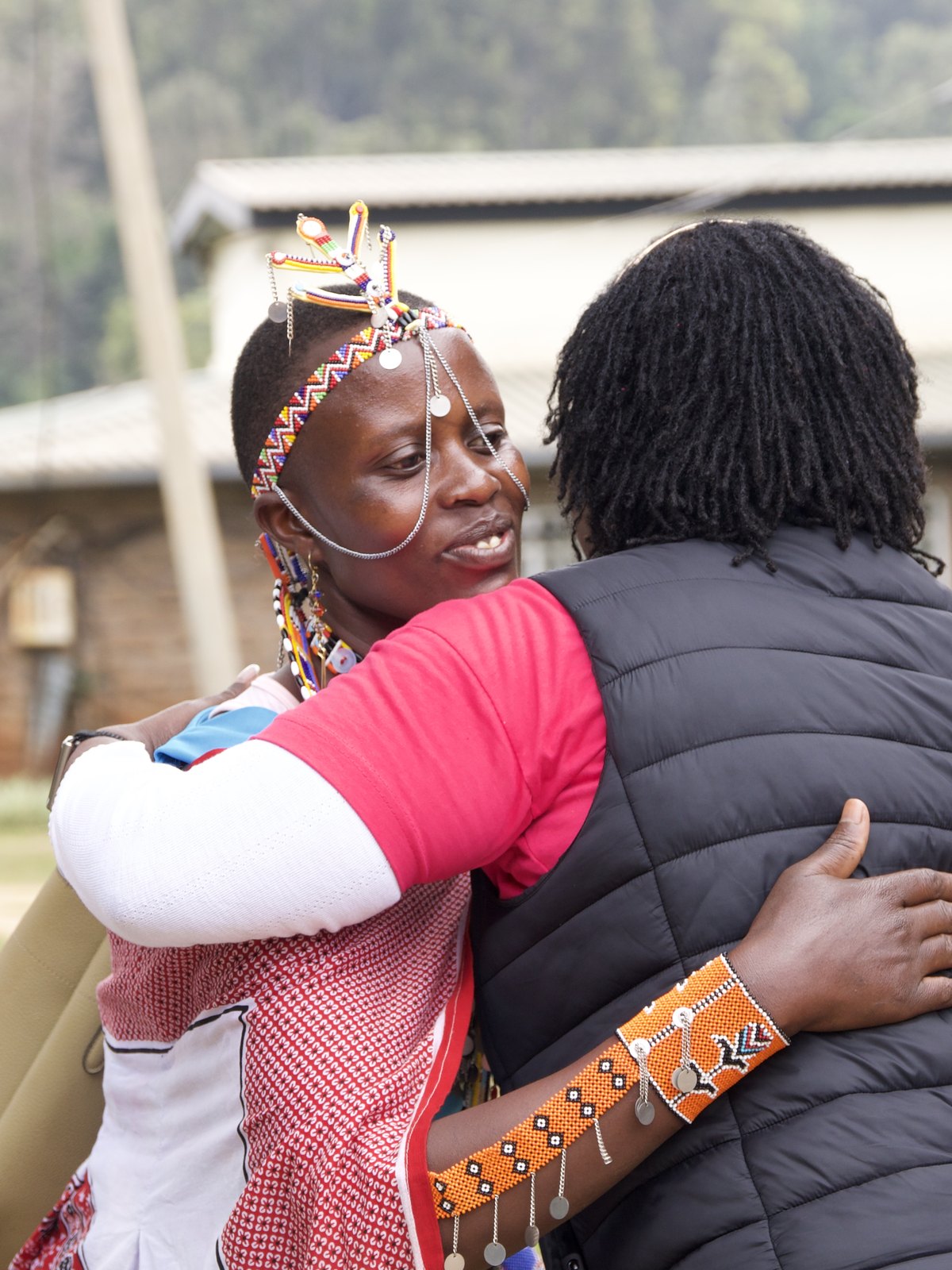
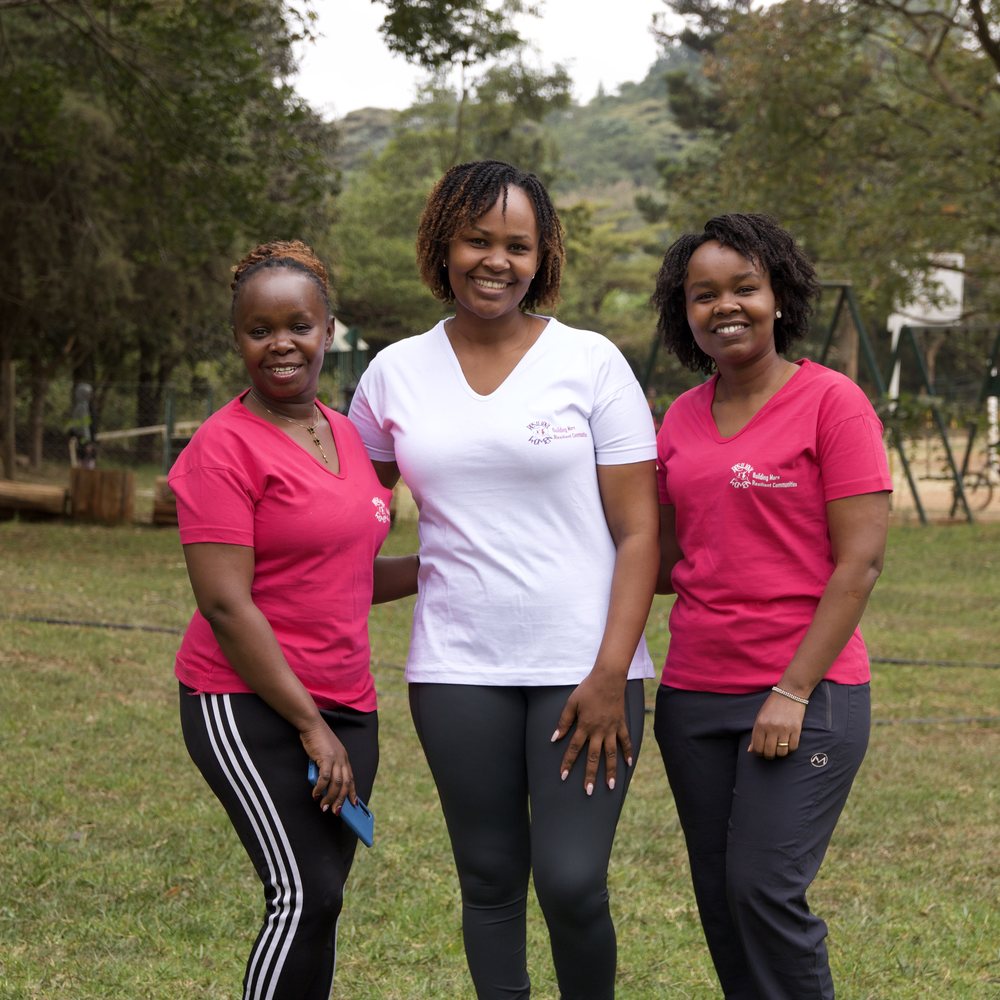
Two women embracing at our 10th anniversary celebration
About Us
What we do
We build the resilience of formerly imprisoned women and girls, reducing their chances of re-offending through emotional stability and economic empowerment. We break generational vulnerability through education and life skills for children in difficult circumstances, and engage boys and men as champions against gender-based violence. We also create awareness of the needs of women, girls and children affected by imprisonment. Our work is grounded in Wholistic Transformational Development, which meets spiritual, emotional, physical and social needs together.
Our Mission
To respond to the needs of formerly imprisoned women, girls and children in difficult circumstances through training, mentorship and reintegration advocacy, by fostering partnerships and collaborations.
Our Vision
Formerly imprisoned women and girls restored to wholeness and dignity, free from stigma.
Formerly imprisoned women and girls become emotionally stable and take a greater part in community activities.
Women take part in economic activities and belong to savings and loans groups.
Children grow up whole, equipped with life skills, able to break generational vulnerability and navigate life positively.
A community that is informed about the needs of people affected by imprisonment.
Our objective
The impact that we envision
Reducing vulnerability and the chances of re-offending
Our objective is to reduce the psycho-social and economic vulnerability of formerly imprisoned women and girls, and their chances of re-offending.
Read More
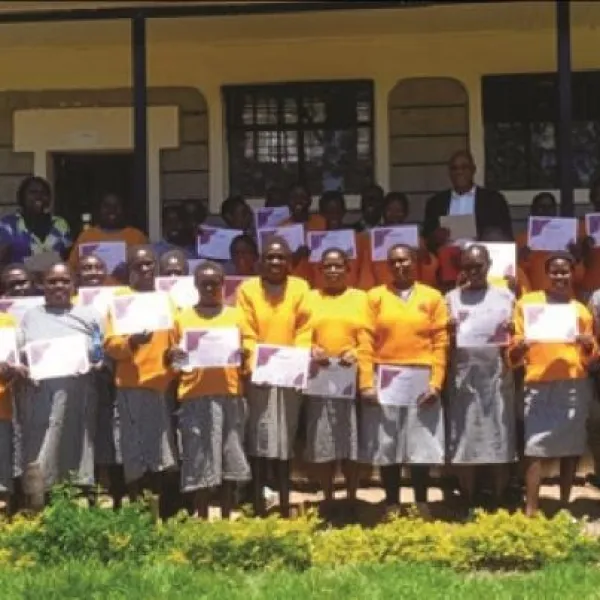
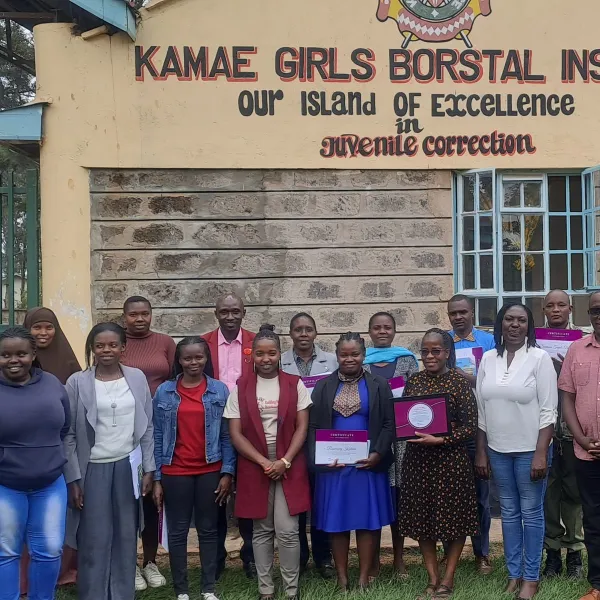
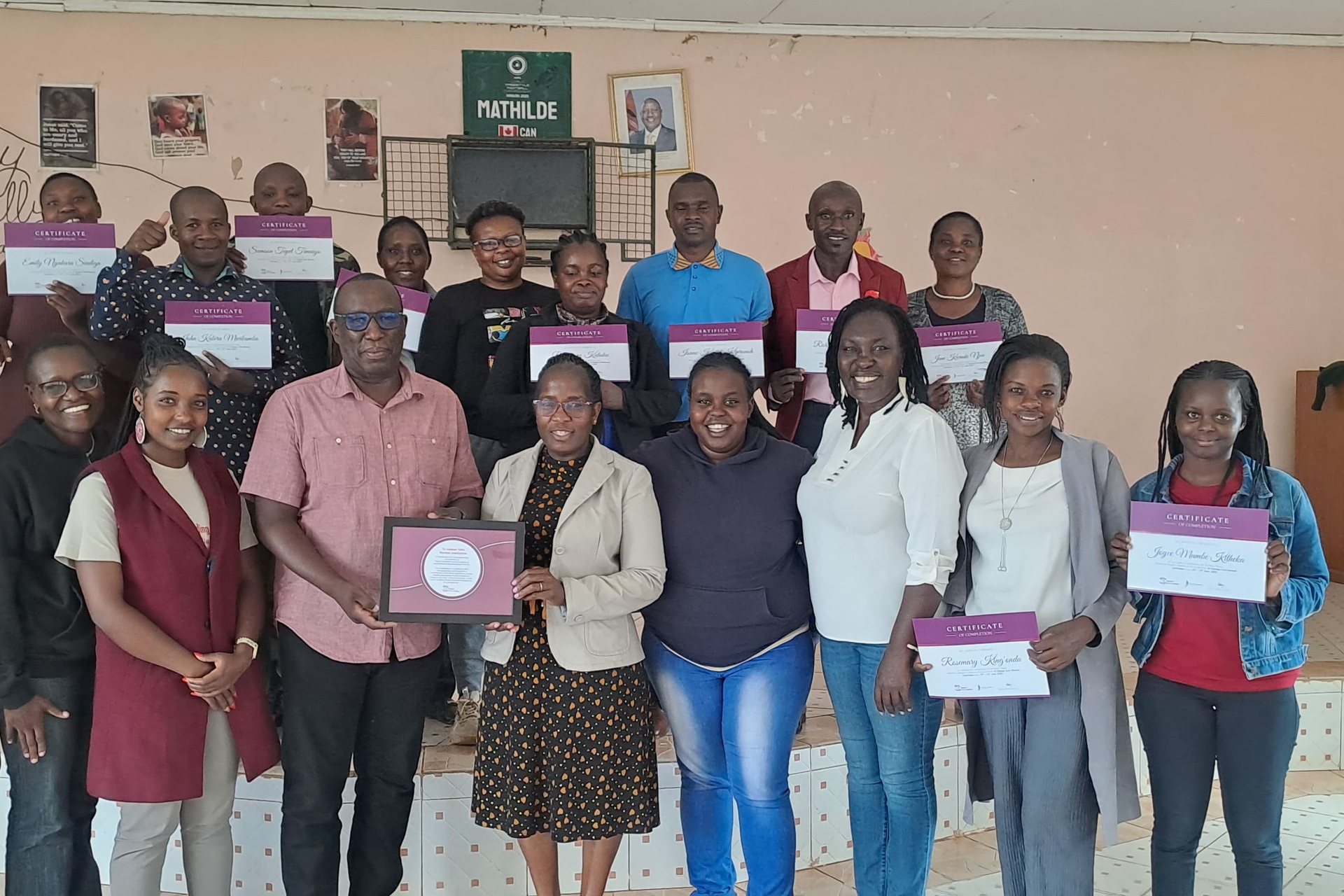
Participants with their certificates after trauma healing training at Kamae Borstal
We achieve our mandate through four thematic areas
Trauma healing and mentorship, economic empowerment, education and life skills, and reintegration advocacy. Our RW Reintegration Model brings them together, from prison engagement to life back in the community.
Read More
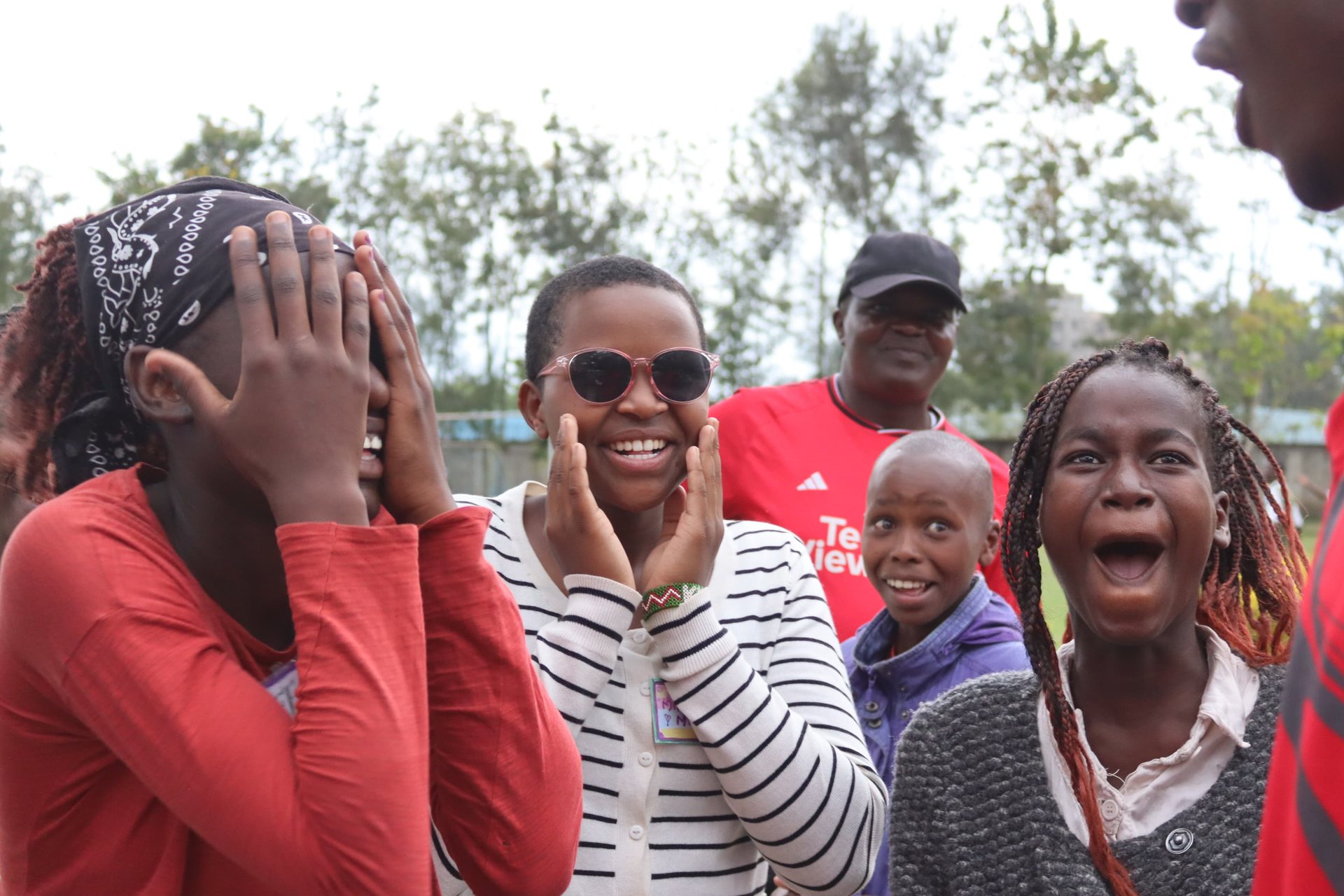
Girls laughing at our trauma-focused camp
Building more resilient communities
In implementing all our programmes, our end goal is to build more resilient communities, where women and girls overcome all barriers and live to their full potential.
Read More
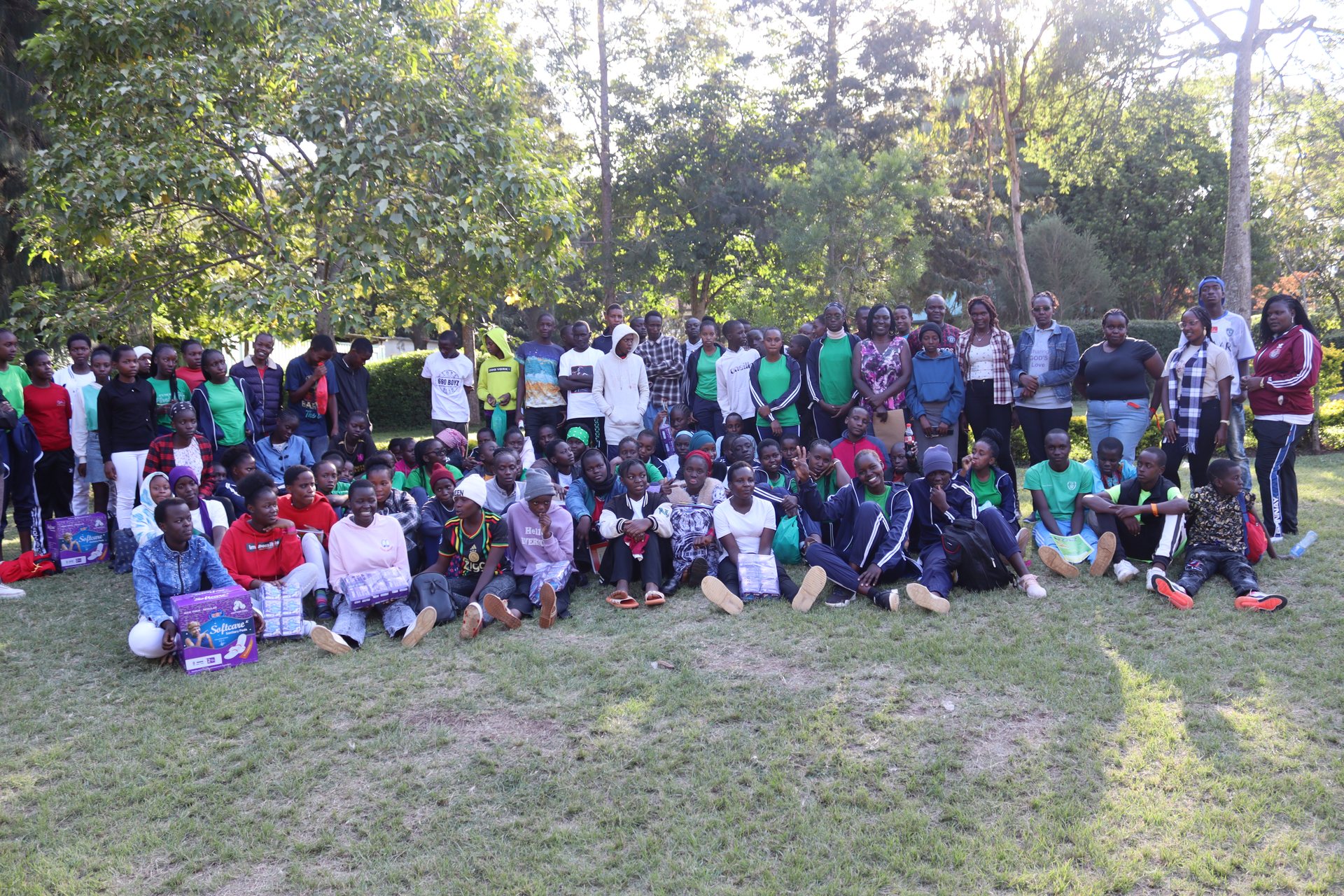
Teens and facilitators at Menstrual Hygiene Day 2025
Teens celebrating with their dignity kits at Menstrual Hygiene Day 2025
“For I will restore health to you, and your wounds I will heal.”
Jeremiah 30:17
How to get involved
Join us in this transformative mission
We believe everyone has a role in supporting formerly imprisoned women and children affected by imprisonment. Your involvement can make a lasting difference in their lives and help break the cycles of trauma and vulnerability. Here are some ways you can join us.
01
Partner With Us
We collaborate with like-minded organisations, government agencies, civil society organisations and community organisations.
02
Volunteer
Volunteer with us by contributing your time and skills.
03
Become an Ambassador
Share the work of Resilient Woman within your network.
04
Donate
Donate to support our programmes and keep boys and girls in school.
Our impact
Transforming challenges into success stories
Between December 2023 and December 2025, we worked directly with 583 programme participants, and more than 2,300 people benefited indirectly.
Asked questions
Answers to your most common questions
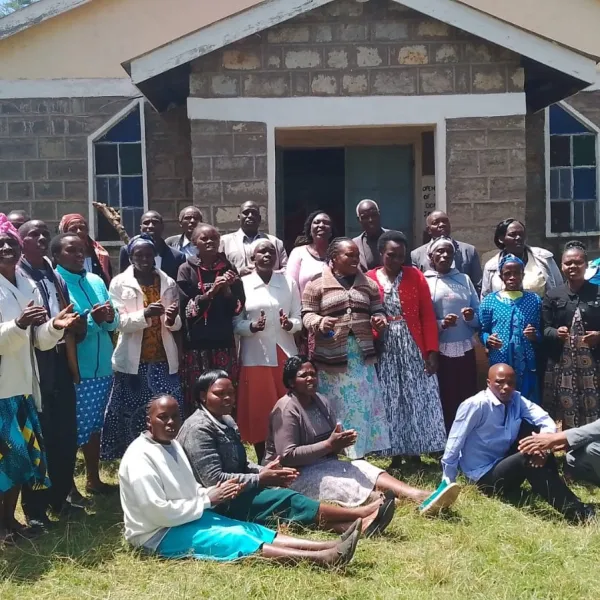
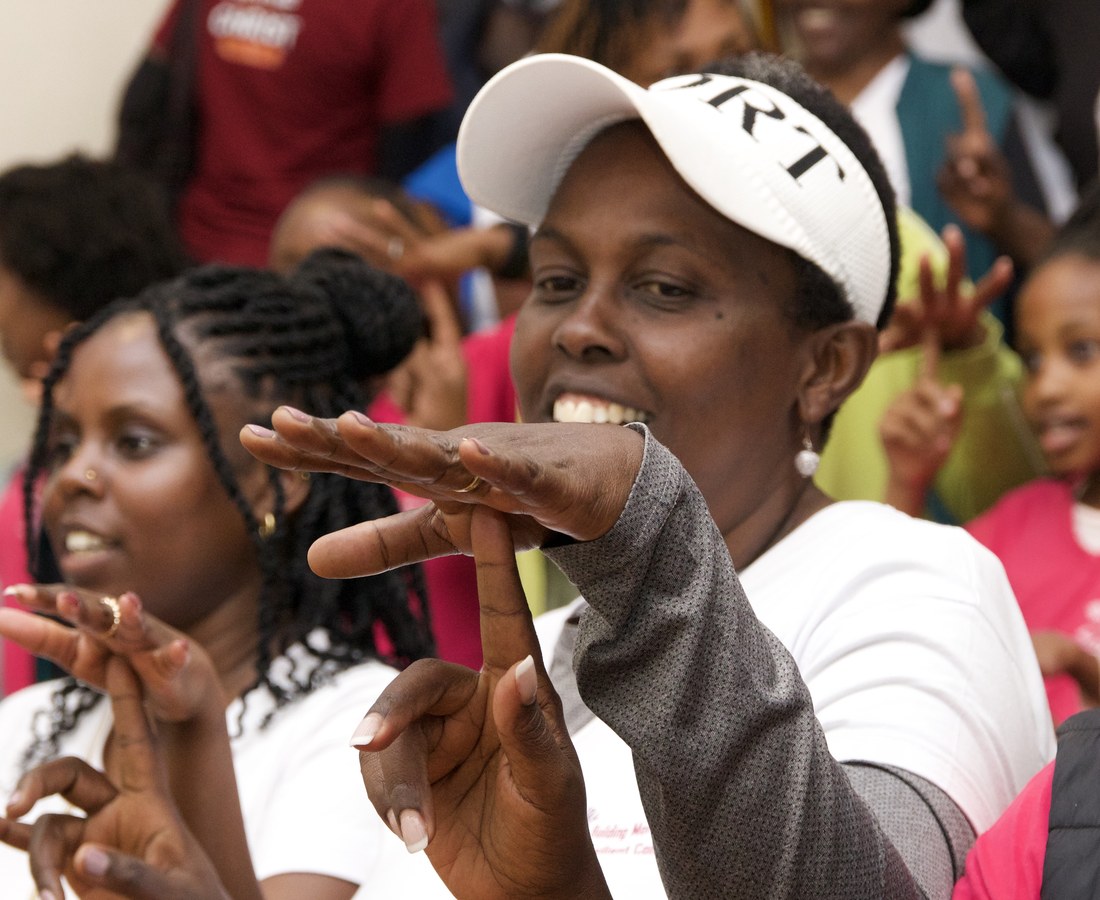
Women laughing together at our 10th anniversary celebration
Have a question on your mind?
Get in Touch
  • 1. Who does Resilient Woman support?
    We support formerly incarcerated women and girls, children affected by imprisonment, and children living in difficult circumstances.
  • 2. What programmes do you run?
    Our work has four thematic areas: trauma healing and mentorship, economic empowerment, education and life skills, and reintegration advocacy.
  • 3. How many people have you reached?
    Between December 2023 and December 2025 we worked directly with 583 programme participants, and more than 2,300 people benefited indirectly.
  • 4. Do you work inside prisons?
    Yes. We mentor women and girls while they are still in prison, and train prison officers in trauma-informed care. We work closely with Lang'ata Women's Prison, Kericho Medium Women's Prison, Nakuru correctional facility, Thika Women's Prison and Kamae Borstal Institution.
  • 5. What is the RW Reintegration Model?
    It is our framework for walking with a woman from prison back into her community, in six connected stages: strategic prison engagement; prison outreach and preparation; needs assessment and discharge planning; community mentorship and support; psycho-social support and economic empowerment; and communication, sensitisation and safe spaces. At its centre is breaking generational vulnerability.
  • 6. What does "wholistic" mean in your work?
    Our work is grounded in Wholistic Transformational Development (WTD), which addresses spiritual, emotional, physical and social needs together, because lasting reintegration needs all of them.
See all questions
Testimonials
Stories of restored hope
Grace
Grace
Student, Sponsorship Programme
"Thank you to my parents for their support, and for helping me stay away from bad company. Lucy helped me start Class 3 at Muso. I kept working hard, and I have now attained 326 marks. Thank you, Christine; I don't know where I would be without you."
Mercy Rop
Mercy Rop
Formerly Incarcerated
"In 2009 I was the only one in Kenya with a death sentence. In prison I met friends who gave me hope, among them Lucy, who encouraged me a lot. I came home when my children were in Grade 4 and 7, and one of them finishes Form 4 this year. Praise God!"
Pastor Rose Rono
Pastor Rose Rono
Formerly Incarcerated
"Society looks at us with suspicion, and some churches will not let us share our testimony. I kept trusting God, and He directed me to Madam Lucy, whom I first met in prison. She brought me utensils and food, and sponsored one of my children through Lanet Secondary School."
Grace
Grace
Student, Sponsorship Programme
"Thank you to my parents for their support, and for helping me stay away from bad company. Lucy helped me start Class 3 at Muso. I kept working hard, and I have now attained 326 marks. Thank you, Christine; I don't know where I would be without you."
Mercy Rop
Mercy Rop
Formerly Incarcerated
"In 2009 I was the only one in Kenya with a death sentence. In prison I met friends who gave me hope, among them Lucy, who encouraged me a lot. I came home when my children were in Grade 4 and 7, and one of them finishes Form 4 this year. Praise God!"
Pastor Rose Rono
Pastor Rose Rono
Formerly Incarcerated
"Society looks at us with suspicion, and some churches will not let us share our testimony. I kept trusting God, and He directed me to Madam Lucy, whom I first met in prison. She brought me utensils and food, and sponsored one of my children through Lanet Secondary School."
Our Leadership
The people behind Resilient Woman
Resilient Woman was formed on 24 May 2014 by a group of like-minded, passionate individuals, who were also its first board members.
All Members
Founder and Executive Director
Chairman of the Board
Secretary of the Board
Board Member
Latest news
News and stories from our work
Women, prison and the road home: why reintegration matters
On International Women's Day, the focus on women's rights, dignity and equality must include women affected by incarceration.
Read More
Introducing the RW Reintegration Model
For ten years our work was guided by experience and practice. We have now documented it as a clear, shared framework for reintegration.
Read More
8 organisations we work with
Africa Gospel Church
Faith Mennonite Church
Kimfay East Africa
Urban Accents
Life In Abundance
Giving Women
Kutoa Project
Marion Farmhouse Schools
Africa Gospel Church
Faith Mennonite Church
Kimfay East Africa
Urban Accents
Life In Abundance
Giving Women
Kutoa Project
Marion Farmhouse Schools
Let’s talk
We’re here to help
Have a question about our work, or want to get involved? We're here for you.
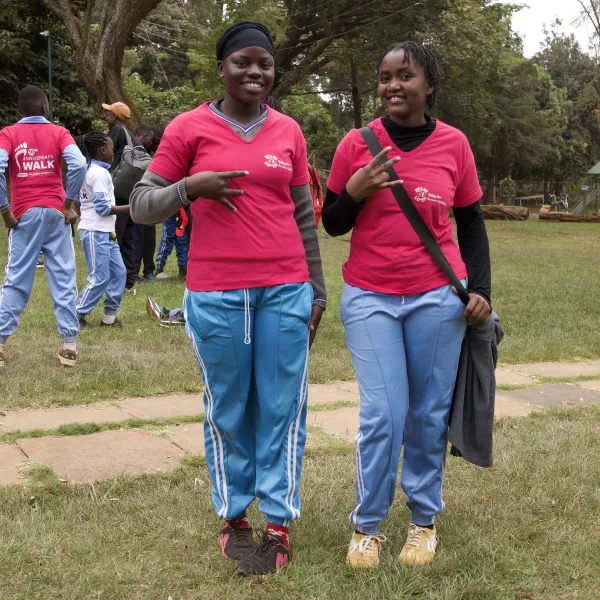
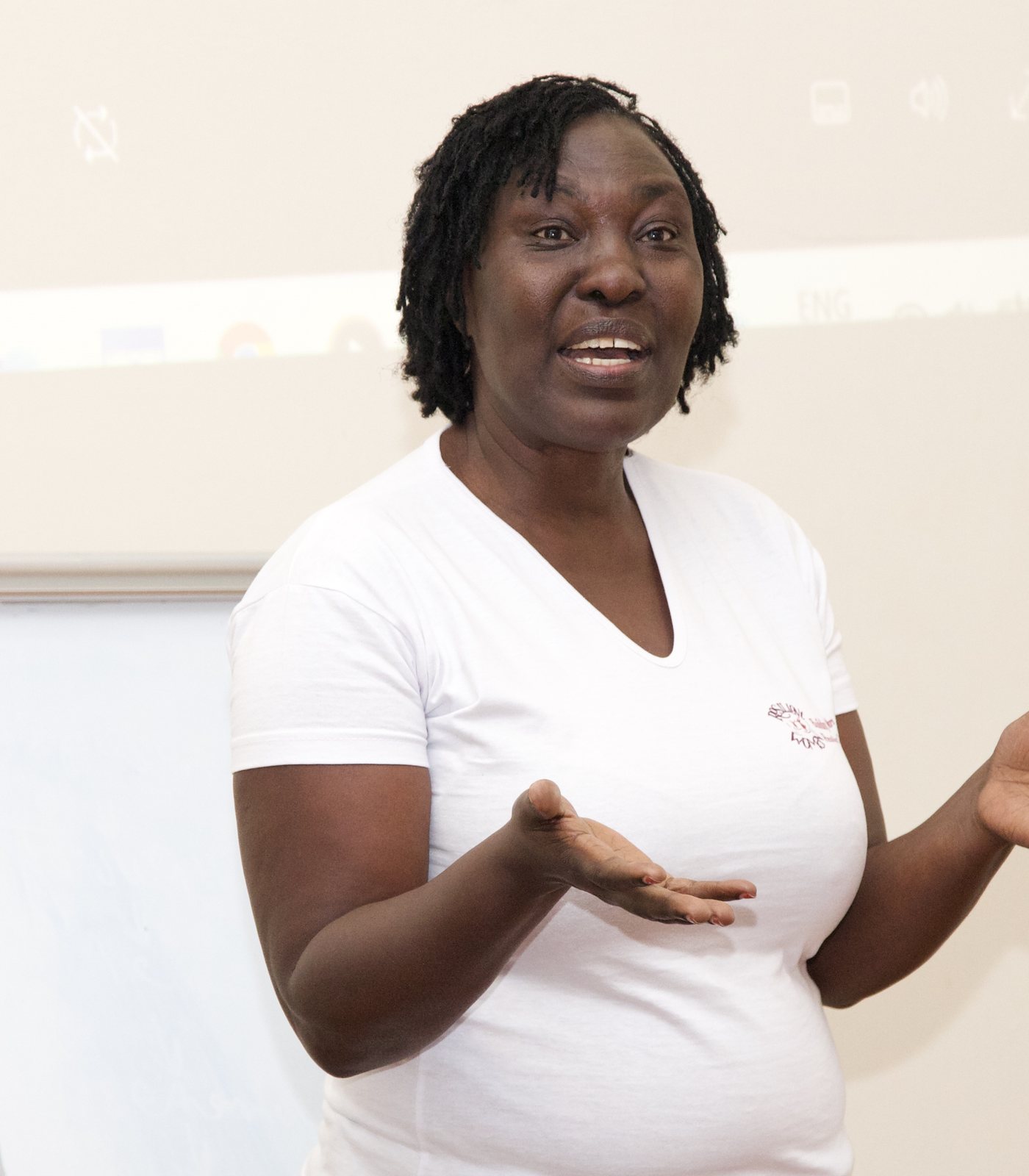
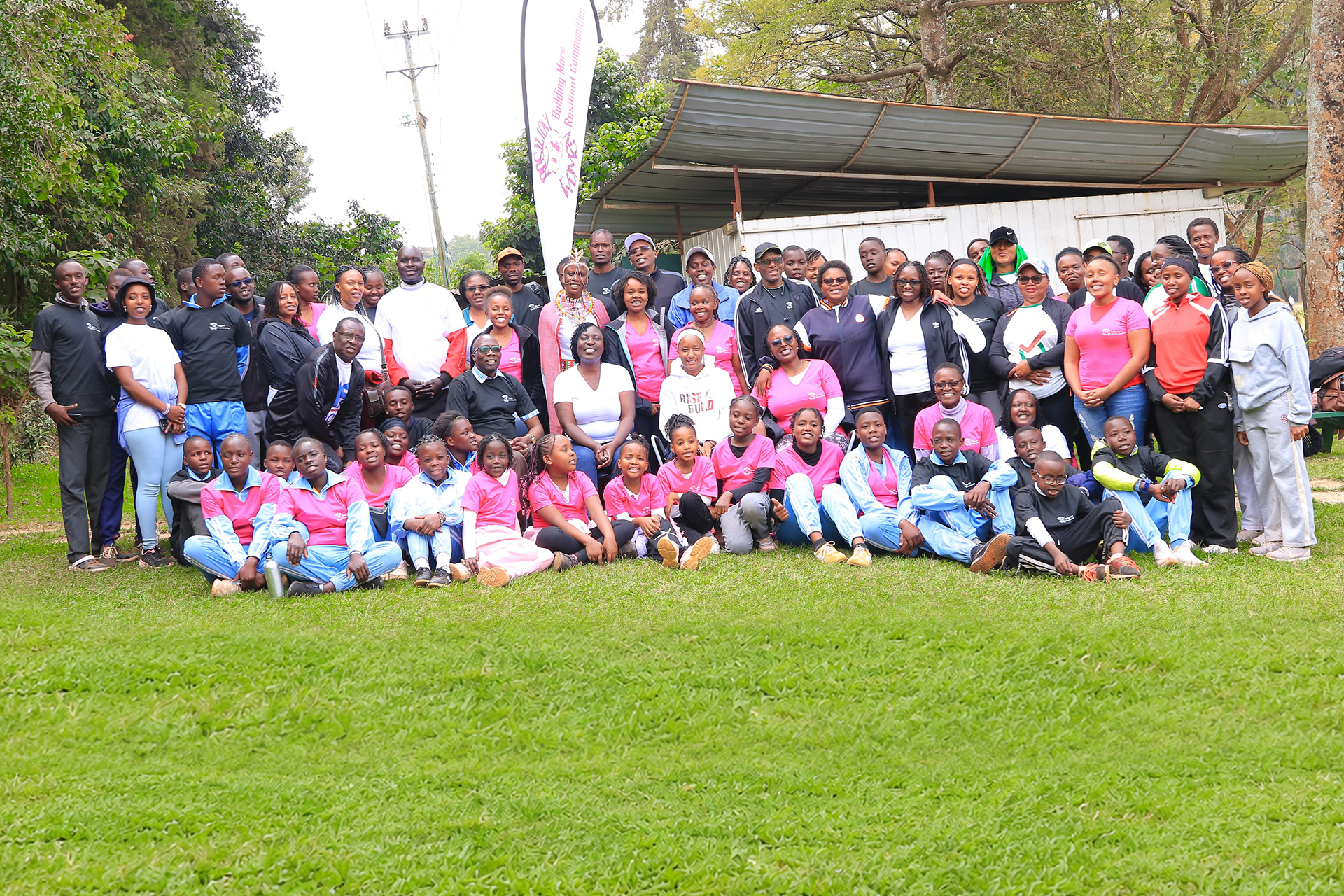
A participant at our 10th anniversary walk in Karura Forest
“We equip women and girls with tools to address harmful practices, societal norms and attitudes, so that they can live to their fullest potential.”
Jackson Siengo
Chairman of the Board